





The European Union (EU) demanded Burma (Myanmar) to comply with the International Court of Justice (ICJ) judgement on Thursday 19 November, which declared the State responsible for the genocide against the Muslim Rohinyá minority and to ensure the restitution and compensation of the victims for the damage suffered.
Through a communiqué, the European External Action Service (EEAS) stressed the importance of the judicial decision and recalled that the enforcement of the judgements of the highest United Nations court is an obligation established by international law.
The European body noted that the Rohinyá population has suffered serious human rights violations, including forced displacement and violence, and therefore stressed the need to ensure justice and redress for the victims.
EU demands justice and reparation for the Rohinyá
The EU held that Burma must fully implement the court decision, including measures to redress the damage caused to this community.
He also indicated that the Burmese authorities should provide compensation where the consequences of the crimes cannot be remedied by restitution.
The European bloc also reiterated that accountability for violations against the Rohanya is essential to a sustainable solution to the crisis and to contribute to regional stability.
In that regard, he defended the independence and authority of the International Court of Justice in the face of the challenges facing the international legal order.
CIJ to hold Burma responsible for genocide
The International Court of Justice found on Thursday that Burma committed genocide against the Rohinyá population during the military offensive in 2017 in Rakain State, located in the west of the country.
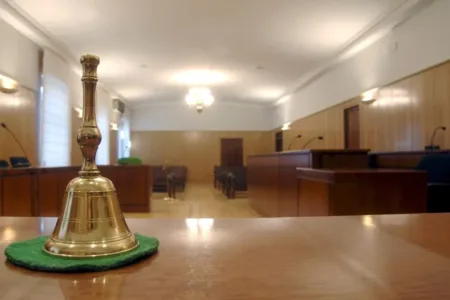
During the reading of the judgment in The Hague, the President of the Court, Yuji Iwasawa, presented the judges' findings on the actions of the Burmese forces against this Muslim minority.
The court found that mass killings, sexual violence and measures to prevent births within the Rohinyá community were proven.
The judges concluded that the military forces' actions demonstrated the intention to destroy a substantial part of this group, a determining element in establishing the existence of the crime of genocide.
The judgement establishes obligations for the Burmese State, including the investigation of crimes, the reparation of victims and the facilitation of the return of displaced persons.
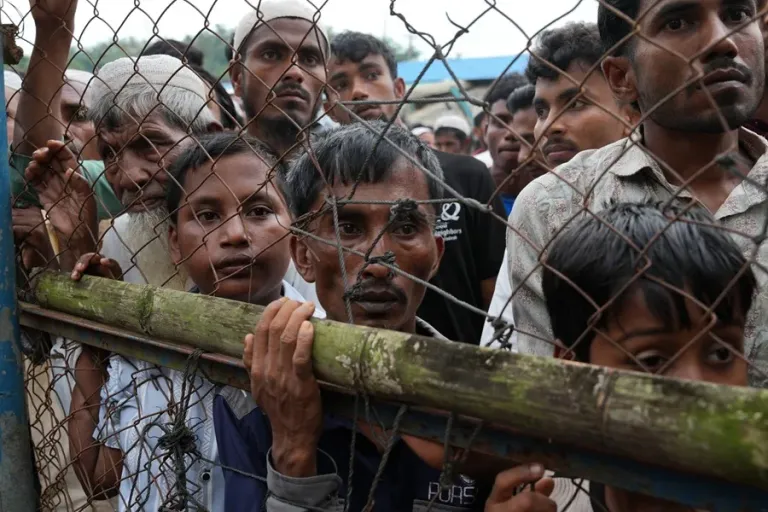
The decision represents a step forward in the search for justice for the Rohinyá, thousands of whom remain refugees outside Burma as a result of persecution and violence.