



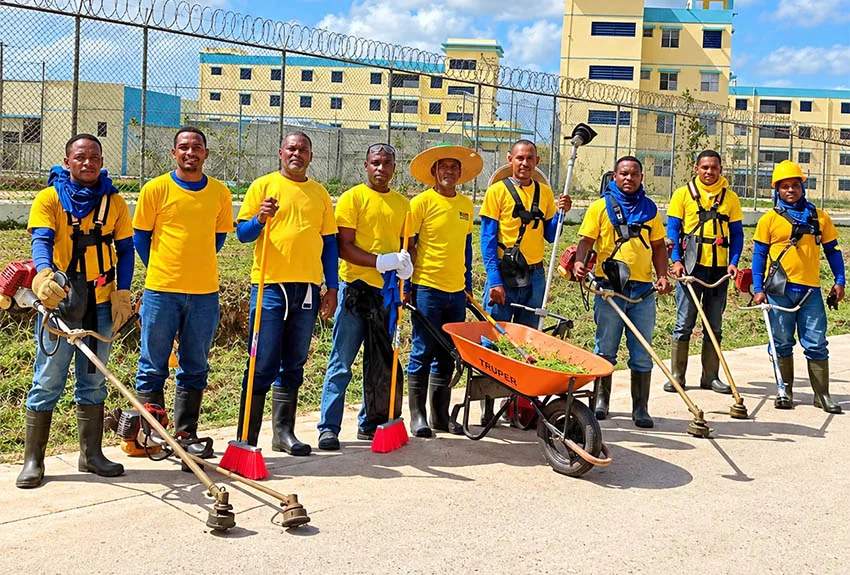
Persons who, under irrevocable sentence, are serving prison in the country for murder, murder, femicide, sexual rape, aggravated robbery or drugs will have to work in the construction of streets, avenues, roads, contenders and bridges “so that they can earn” the food and drink they will eat and are not a burden to the Dominican State.
This would be done if a bill recently submitted to the Chamber of Deputies was successful, which emphasizes that the participation of persons who have been convicted in a final manner in public work prison programmes can help to develop habits of responsibility, discipline, timeliness, cooperation and respect for security standards.
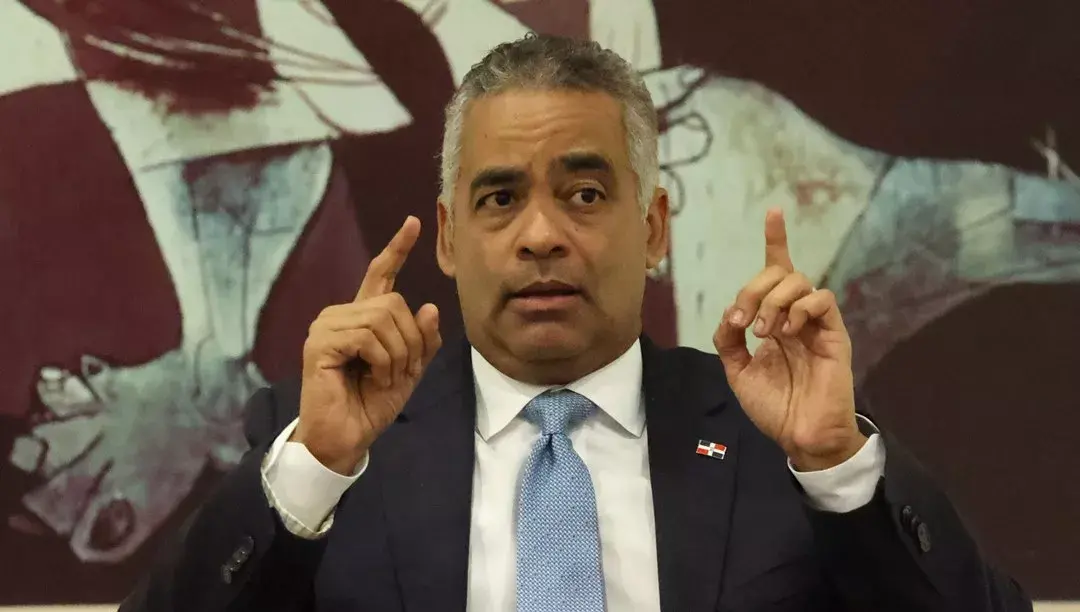
The piece was introduced last Thursday by the deputy Miguel Arredondo, a perremeistic legislator in the province of San Pedro de Macorís, with the aim of promoting in the deprived of liberty habits of responsibility and discipline through work; contributing to the execution and maintenance of public works of the State; reducing inactivity during the performance of the sentences; and promoting that the resources generated by the work activities contribute to the support of the prisoner.
The proponent justifies the initiative by explaining that the Dominican State makes significant investments every year in the construction, repair, maintenance and rehabilitation of streets, avenues, roads, neighborhood roads, contenders, sidewalks, bridges, drains, public spaces and other infrastructure works necessary for the development of the country, activities that can be carried out by prisoners guilty of crime.
Such work would be carried out under the supervision and control of the competent public authorities, in order to avoid the private access of persons to private services and to ensure that the activities are in response to duly authorized public utility projects.
“Certain persons convicted of particularly serious crimes may be deprived of their liberty for long periods, and it is therefore appropriate to establish institutional mechanisms to enable them, during the performance of the sentence and under the legally established conditions, to carry out useful, supervised and related work activities,” said Arredondo in recital 5 of the legislative framework.
He also stressed that, in view of the constitutional impossibility in the country to establish the death penalty, the congressmen must strengthen the sanctions and criminal enforcement mechanisms that were compatible with the Dominican Magna Charter.
Persons with a verifiable disease or disability that reasonably prevents or limits the conduct of the relevant activity, through medical examinations established and approved by the Directorate-General for Correctional and Penitentiary Services, shall not be required to perform work incompatible with their condition.
However, older adults will be subject to the special conditions provided for in the existing prison legislation and may only participate in work compatible with their condition and capacity.
The General Directorate of Corrections and Corrections Services will coordinate and monitor the implementation of the special regime established by this Act, in coordination with the relevant public institutions.
The money for compliance with the legislation will be financed from the resources under the budget item of the General State Budget of the Ministry of Justice.
The rules for the implementation of the rule shall be the responsibility of the Ministry of Justice, within 120 days of the enactment of this Act, which shall be submitted to the Executive for the purposes of the Act.
Miguel Arredondo points out that in the states of the Republic of China, the United States, Singapore, Pakistan, Germany and Estonia there are mandatory labour arrangements for inmates who are convicted of some crimes, which allows them to pay the costs the State is making in them, especially their food.
To be effective, the project must begin and complete its process in Congress and be promulgated by the Executive