
movil.jpg)

 970x90.jpg)




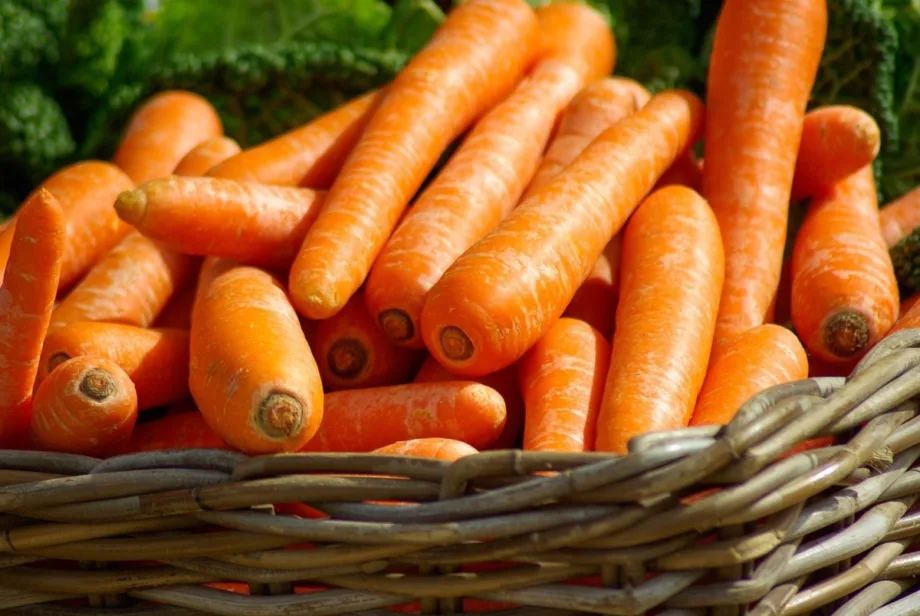
The carrot occupies a common place in the food, but its properties go far beyond its fame as a food beneficial to the sight. Its nutritional composition, especially rich in beta-carotene, fiber and other plant compounds, has aroused the interest of scientific research in its possible relationship to disease prevention and the maintenance of different functions of the body. The issue is not to present this horticulture as a universal remedy, but to understand what benefits are scientific support and how they can be used in a balanced diet.
One of its main components is beta-carotene, a pigment responsible for much of its characteristic orange color. The body can transform it into vitamin A, an essential nutrient for vision, immune system functioning and skin and mucous maintenance. This conversion is particularly important because vitamin A is involved in the functioning of the retina and in the ability of the eyes to adapt to low light conditions. Therefore, incorporating carrots into the diet can help to meet nutritional needs, although it does not mean that eating more allows to automatically improve visual acuity.
Scientific evidence has also examined the relationship between carrot consumption and the risk of developing certain diseases. A systematic review and meta-analysis published in 2025 in the journal Critical Reviews in Food Science and Nutrition found an association between increased carrots consumption and a lower incidence of cancer in observational studies. The analysis collected data from 50 prospective studies with about 52,000 registered cases. However, this relationship does not in itself demonstrate that carrot prevents cancer: general eating habits, lifestyle and other factors can influence the results. The research points to a relevant association, not an individual guarantee.
The compounds that explain their potential benefits
Beyond beta-carotene, carrot contains alfacarotene and other plant compounds that are involved in antioxidant processes. These substances have been studied for their ability to intervene in mechanisms related to oxidative stress, a process that occurs when there is an imbalance between free radicals and the body's antioxidant defenses. This imbalance is investigated for its relationship to cell aging and various chronic diseases. However, to detect antioxidant activity in a compound does not amount to showing that a food prevents a specific disease. The actual effect depends on numerous biological factors and the complete food pattern.
Fiber is another element that justifies including carrots in daily feeding. This component contributes to intestinal functioning and can promote the regularity of deposition, especially when it is part of a diet that includes enough water and other vegetable foods. In addition, consuming the whole carrot forces to chew and allows to take advantage of a greater part of its structure, unlike some filtered juices that lose part of the fiber. Its fiber content can also contribute to satiety, a useful aspect for organizing meals and maintaining healthy eating habits without relying on ultraprocessed products.
Cardiovascular health is another line of research, although it requires a distinction between the benefits of food and those of supplements. Carotenoids in fruits and vegetables have been related in observational studies to certain health indicators, but there is insufficient evidence to say that eating carrots alone reduces cholesterol or prevents a heart attack. The potential benefit should be understood as a food rich in vegetables, vegetables, fruits and whole cereals, along with physical activity and other healthy habits. Carrot may be part of this pattern, but it does not replace the medical treatments or the preventive measures indicated for each person.
Another relevant aspect is the way to consume it. Although many people consider raw vegetables to be always healthier, preparation can change the availability of their nutrients. A study published in 2025 in Nutrition Research and Practice, conducted with 16 healthy adults, compared the absorption of beta-carotene after consuming raw carrots or fresh carrot juice. The researchers observed a greater availability of the compound in the group that consumed the juice. However, the study evaluated a timely nutritional response and did not show that drinking juice produces better long-term clinical results. In addition, juice does not necessarily replace the advantages of consuming the whole horticulture.
Cooking can also facilitate the use of some carotenoids by changing the structure of the plant tissue. Boil, steam cooking or baking carrots in the oven are valid options, and accompany them with a small amount of healthy fat, such as olive oil, can help to absorb these liposoluble compounds. There is no single ideal preparation for all people: alternating raw and cooked carrots allows you to enjoy different textures and culinary uses. The important thing is to prevent the preparation from incorporating excessive amounts of salt, sugar or unhealthy fats that move the nutritional value of the whole.
Research also forces an extended idea to be dismantled: eating carrots does not guarantee a perfect view or eliminate the need for eye controls. Vitamin A is indispensable for vision, but a person who already covers his or her nutritional needs does not necessarily get a visual improvement by increasing his or her consumption. In addition, eye health depends on multiple factors, including age, genetics, certain diseases and other nutrients present in a varied diet. According to the United States National Eye Institute, a balanced diet contributes to eye care, but carrot is not a universal solution to vision problems.
It is also important to differentiate the consumption of whole carrots from the intake of concentrated beta-carotene supplements. While hortaliza is a regular food source of this vitamin A precursor, clinical trials have identified risks associated with high doses of beta-carotene supplements, especially among smokers and people exposed to asbestos. In these groups, supplementation has been associated with an increased risk of lung cancer. This difference shows why it is not right to automatically move the potential benefits from food to concentrated capsules or preparations. For most people, the reasonable strategy is to obtain nutrients by a varied diet, unless a health professional indicates otherwise.
In short, carrot represents an example of how a simple food can provide essential nutrients and participate in a prevention strategy based on good habits, without the need to attribute miraculous properties to it. Its beta-carotene helps to meet the needs of vitamin A; its fiber promotes digestive health, and its carotenoids continue to be the subject of research on different health indicators. The evidence available is promising in some areas, but it still requires caution to establish causal relationships between their use and disease prevention. The most useful conclusion is not to eat over carrots, but to incorporate them regularly into a diverse diet, because health does not depend on an isolated food, but on the sum of daily decisions. @ globario