The Member questioned that technological projects periman while loans are approved quickly
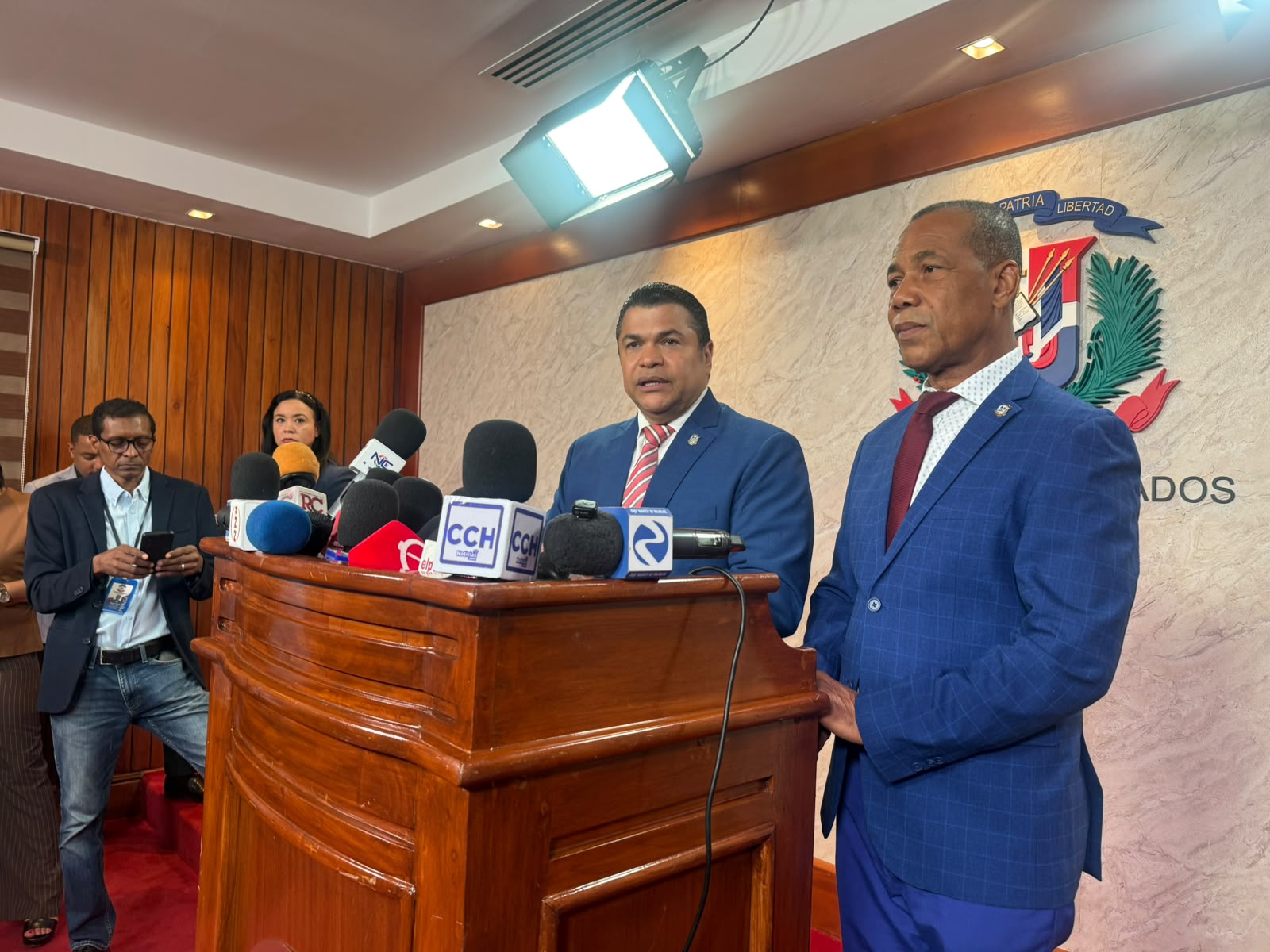
Saint Doming.- The deputy of People's Force (FP), Tobías Crespo, called on the Government and the Modern Revolutionary Party (PRM) to use its majority in the National Congress to speed up the approval of initiatives related to technology, cybersecurity, artificial intelligence and the digital transformation of municipalities.
The legislator for the number two district of the National District announced the reintroduction of several projects of his authorship that they have examined in previous legislatures and that, he said, are necessary to update the legal framework of the country in the face of technological advances.
“Just as the government uses that overwhelming majority to approve loans, approve trusts and approve the placement of bonds that are declared urgent and approved quickly, we ask this House of Deputies to speed up the initiatives that have to do with the country and that the country is demanding,” Crespo said.
Among the initiatives he mentioned the draft General Information and Communication Technologies (ICT) Act, which seeks to modernize the legal framework for telecommunications set out in Law 153-98, as well as proposals to create the National Cybersecurity and Cybercrime System and to regulate artificial intelligence.
He also cited the project for the regulation of waste electrical and electronic equipment and the initiative on Digital Citizenship, Digital Identity and Intelligent Municipalities (Smart Cities), the latter reintroduced to incorporate technological tools in the provision of municipal services.
Crespo argued that the project on smart municipalities would allow municipalities to have digital platforms and single windows so that citizens can access municipal services and report incidents directly.
The proposal also includes the use of sensors, smart meters, artificial intelligence, Big Data, cloud computing, Internet of things, automation and other tools to improve areas such as urban planning, soil use, public lighting, solid waste collection and disposal and emergency services management.
“Today we have deposited the law that will encourage the deployment of smart cities to encourage the use of information technologies in all sectors of the municipality,” he said.
According to Crespo, the initiative also recognizes Internet access as a key element in the exercise of rights and seeks to promote a National Digital Transformation Strategy in coordination between the central Government, the Dominican Municipal League (LMD), municipalities and municipal districts.
He stressed that Congress should give priority to these initiatives in the light of the rapid development of new technologies and computer crime.
“Technology goes later and computer crime is delaying the regulation of society,” he said, demanding that technological projects receive in Congress an agile treatment similar to that given to other declared emergency initiatives.
Crespo said that some of these proposals have also been considered priority by other State powers, and therefore called on legislators from all the banks, especially the official majority, to promote their knowledge and approval.