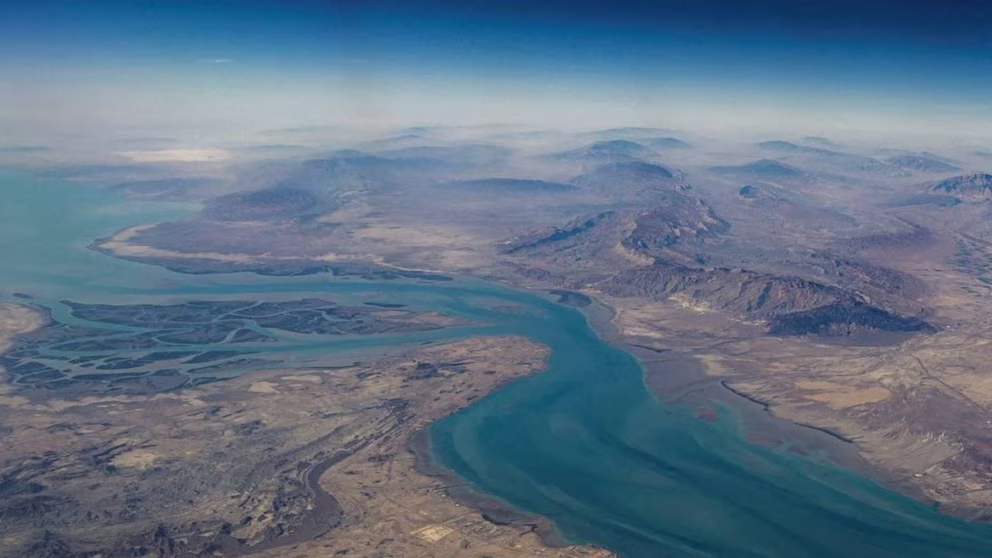
Doha, - Qatar's Foreign Minister Mohamed bin Abdulrahman warned his Iranian counterpart, Abás Araqchí, on Saturday about the consequences that the continued blockade in the Strait of Ormuz could have for the global supply of energy and food.
The warning was made during a telephone conversation between the two officials, in which they discussed the progress of diplomatic negotiations and international efforts to prevent an escalation of the conflict in the Persian Gulf, according to the Ministry of Foreign Affairs of the Republic of Qatar.
During the dialogue, Doha reiterated its support for mediation efforts aimed at a peaceful solution to the crisis and called for the cooperation of all parties involved in reducing the risk of a further deterioration of the regional situation.
Recomendamos leer: ONU advierte que bloqueo del estrecho de Ormuz amenaza con provocar una recesión global
Bin Abdulrahman insisted that freedom of navigation is a “fundamental and unnegotiable” principle, warning that the closure of the strait or its use as a pressure mechanism would further aggravate the crisis and affect the strategic interests of the countries of the region.
The Catari official also warned about the “negative impact” that the situation could have on the global supply of oil, gas, fertilizers and other essential goods, as well as affecting the stability of markets and global supply chains.
In recent days, the Secretary-General of the United Nations, António Guterres, also expressed concern about the restrictions on navigation in the area, noting that these already impact sectors such as energy, transport, industry and food.
We recommend reading: Merkel calls Iran to negotiate and release the Strait of Ormuz
For its part, Araqchí has maintained contacts with several Gulf countries in the midst of uncertainty about a possible agreement between Iran and the United States.
US President Donald Trump recently stated that the latest Iranian proposal in the negotiations is “unsatisfactory.” According to news reports, Tehran would have raised, through Pakistan as a mediator, the reopening of the Strait of Ormuz in exchange for lifting American restrictions on Iranian ports and vessels.
On 8 April, the parties agreed on an initial truce of two weeks after 39 days of clashes, which was subsequently extended indefinitely to facilitate talks between Tehran and Washington. However, the negotiations remain stalled due to tensions related to the control of the strait.
Recomendamos leer: EE.UU. pide en la ONU crear una coalición para garantizar el paso de buques por el estrecho de Ormuz
In another context related to the regional crisis, the United Arab Emirates authorities announced this Saturday the total restoration of normal air operations in their airspace, following the restrictions applied following the start of military offensive between the United States, Israel and Iran.
The General Civil Aviation Authority emirati reported that the decision was taken following a comprehensive assessment of the operational and safety conditions, but clarified that ongoing surveillance will be maintained to ensure air safety.
Qatari Foreign Minister Mohammed bin Abdulrahman bin Jassim al-Thani speaks during a joint press conference with his French counter part following their meeting in Doha on November 5, 2023. (Photo by KARIM JAAFAR / AFP) (Photo by KARIM JAAFAR / AFP via Getty Images)