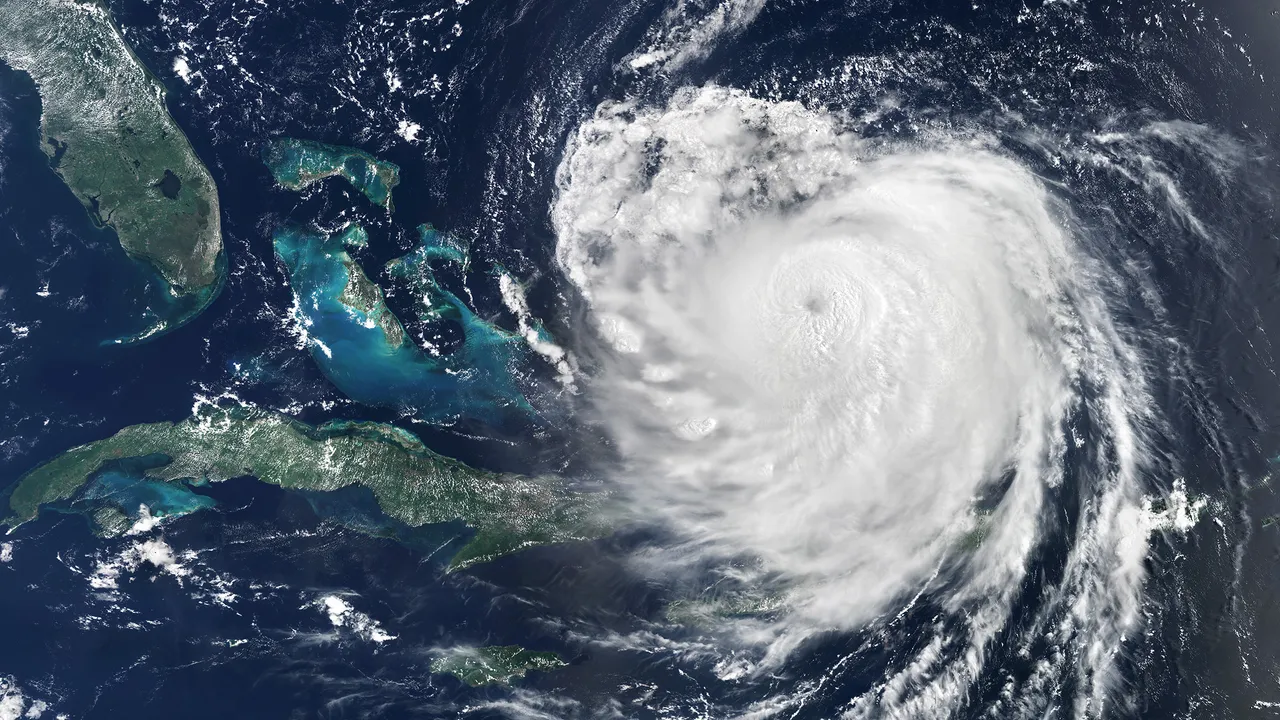
The hurricane season in the Atlantic is just around the corner and the first signs point to it being less active than usual. But, careful, that is no reason to erase the meteorological application and ignore the forecasts.
The National Oceanic and Atmospheric Administration (NOAA) provides for between eight and fourteen tropical systems with a name, of which three and six will be converted into hurricanes and one to three will be of category 3 or higher.
The effect of El Niño
"What is driving this prognosis is largely an El Niño phenomenon," NOAA administrator Neil Jacobs explained.
Characterized by a hot water language that extends across the Pacific, El Niño is likely to appear this summer. That warm ocean strip reorganizes weather patterns all over the world. In the case of the tropical Atlantic, El Niño causes winds that make hurricane formation difficult. Those that form, sometimes can be destroyed by what happens in the upper atmosphere. (The opposite is true in the Pacific, and the NOAA is planning a very active season in that ocean basin.).
During the last three episodes of El Niño, the accumulated energy of the cyclones (an indicator of the strength and longevity of the storms) was well below normal.
That said, El Niño, even an extremely strong one, is only one of the many factors that influence the hurricane season. High ocean temperatures can help storms to form and gain strength, and the Atlantic is currently warmer than normal.
At the same time, the dust of the Sahara can embody the atmosphere and prevent the formation of storms. It is also very difficult to predict when dust columns will be raised. That's what happened last year, when a number of storms were formed with a lower than average name despite an active forecast. Despite less than planned activity, Hurricane Melissa was formed last year, one of the strongest storms that have touched land in the Atlantic basin.
Every storm is unique
All this means that seasonal foresight is a practical guide to what can be expected, and is ideal for agencies to prepare supplies and resources. But what matters in the last instance is what happens with every storm.
"Although we are waiting a season below average in the Atlantic, it is important to understand that only one is needed," Jacobs said, noting that even in quiet years, category 5 storms have still touched ground.
The Trump administration in the US has drastically cut the NOAA staff and reduced the collection of some data, such as weather balloons, that can influence the forecasts. Jacobs highlighted the value of the new observations, including the air drones that will be deployed for the first time.
NOAA has also increased the use of weather models of artificial intelligence trained from historical data. During the 2025 hurricane season, the agency tested an experimental hurricane model developed with Google DeepMind. At the end of last year, it also launched a set of weather models of IA for use in operational prediction, in addition to traditional weather models that use equations to predict time.
The agency states that the IA version of its flagship model provides a better prediction of the trajectories of tropical cyclones (a generic name of hurricanes), although it is lagging behind traditional weather models in the prediction of their intensity.
Article originally published in WIRED. Adapted by Mauricio Serfatty Godoy.