Santo Domingo, RD. - In the light of the recent seismic events in different countries of the region, the National Office for Seismic Assessment and Vulnerability of Infrastructure and Buildings (Onesvie) reports that it has increased its efforts in preventive action with a focus on the assessment of buildings, infrastructure and vital lines, with the aim of reducing the vulnerability of strategic infrastructure and expanding the country's response to a potential major earthquake.
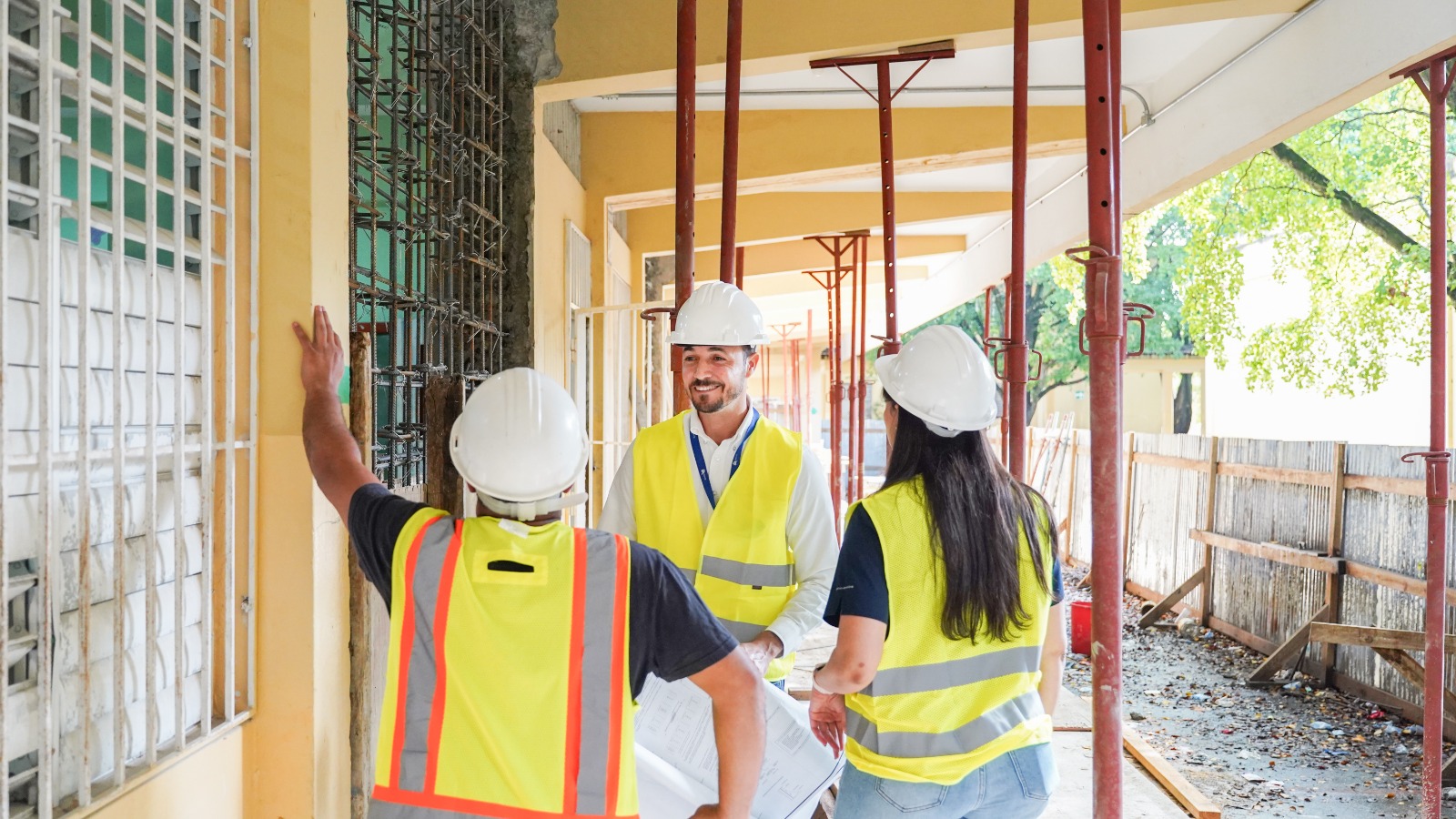
As part of this strategy, the institution has conducted 4,178 technical assessments at the national level, including 3,345 buildings and 833 bridges, generating specialized information to know the conditions of the structures, identify potential vulnerabilities and set priorities for intervention.
The general director of Onesvie, engineer Leonardo de Jesús Reyes Madera, explained that the earthquakes recorded in Venezuela on June 24 and the recent event in Colombia are a reminder of the importance of maintaining permanent vigilance over the conditions of the buildings, infrastructure and vital lines.
“No country in the world can be considered fully prepared to face an earthquake. Precisely for this reason, prevention must be a permanent task. We must not wait for an earthquake to begin preparing,” said Reyes Madera.
We recommend reading: RD in seismic alert: Brito warns earthquake could cause a catastrophe in Cibao
The evaluations carried out by the institution include public and private buildings, with coverage in the National District and the 31 provinces of the country. Of the 3,345 buildings evaluated, 2,853 are in the public sector and 492 are in the private sector.
The structures evaluated include health facilities, educational centres, government buildings, security facilities, fire stations, public services, administrative, institutional and community facilities, housing and universities, among others.
With regard to road infrastructure, the institution has assessed 833 bridges in different provinces of the country, because of its importance in ensuring connectivity and mobility of communities. These inspections allow for the knowledge of their conditions, the identification of possible vulnerabilities and the availability of technical information to guide prevention, maintenance or intervention actions where necessary.
Reyes Madera, stressed that technical assessments allow for the generation of information that serves as a basis for guiding maintenance, rehabilitation and strengthening actions, when required. “There is a need to assess and strengthen, where necessary, the buildings that provide essential services, such as schools and hospitals, as well as the other strategic infrastructure of the country,” he said.
It also called on the population to know the conditions of the buildings where they live and work and to seek the appropriate technical assessments so that possible vulnerabilities can be identified and intervention measures taken.
I explain that the collapse in the country in different buildings, even without an earthquake, demonstrates the importance of continuing to strengthen evaluation, maintenance and prevention actions, with a view to identifying important vulnerabilities and being able to correct
The institution also continues to strengthen the Network of Dominican Structural Evaluators (REED), which currently has 950 professionals certified by the National School of Risk Management (ESNAGERI), thus expanding the country's technical capacity to identify and determine the vulnerability of buildings before an earthquake and, after an event, to help establish which structures can continue to be inhabited and which require intervention, strengthening or demolition.
The institution will continue to expand technical assessments in the national territory, strengthening specialized training and developing prevention and preparedness measures, as part of the efforts of the Dominican Government to reduce seismic vulnerability, protect essential infrastructure and strengthen the country's resilience.