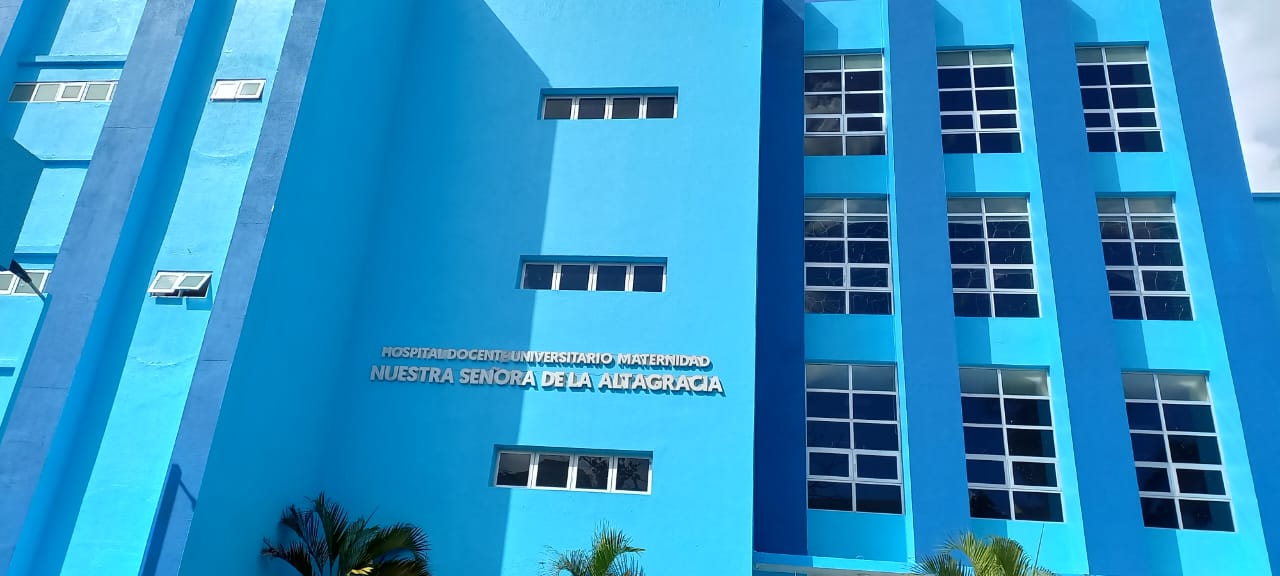
Santo Domingo.- La Maternidad Nuestra Señora de la Altagracia se encuentra bajo atención luego de que fuera denunciada la muerte de al menos 30 neonatos durante los meses de julio y agosto, así como la presencia de bacterias en distintas áreas del centro hospitalario.
According to the complaint, other newborns would remain infected by different micro-organisms, including Pseudomonas, Klebsiella and Serratia, which has raised concerns about hygiene and biosafety conditions in areas where particularly vulnerable patients are treated.
The reports are made at a time when the National Health Service (SNS) began a tour of the country's main maternal communities to strengthen measures to reduce preventable maternal-child mortality. The tour began precisely at the Our Lady of the Highlands Maternity, where the executive director of the SNS, Julio Landron, called on staff to strictly comply with the care protocols.
There are reports of pathogens in several areas
According to the information reported, the reports of contamination in the Maternity would cover different spaces of the care centre, including the entrance of the well of the new tank, the surgical blocks located on the third and fourth floors, the perinatology room and the intensive care area.
The complaint also indicates positive results for Klebsiella and Serratia associated with 21 newborns, while 12 other neonates would remain infected.
These claims do not in themselves establish that bacteria have been the cause of the reported deaths. In order to determine whether there is a relationship between deaths and possible infections associated with health care, epidemiological and clinical research is required to establish the causes of each case.
The concern is particularly concentrated in neonatal areas, because newborns, particularly premature or those with complex medical conditions, may have greater vulnerability to certain infections.
SNS strengthens surveillance in the Maternity
The scenario coincides with the visit made by the director of the National Health Service to the Our Lady of the Altagracia Maternity. During the tour, Landron talked to resident doctors, specialists, pediatricians, nursing staff and other collaborators to strengthen commitment to the safe care of mothers and newborns.
The official stated that there is zero tolerance for preventable maternal-child mortality and asked for strict implementation of the protocols established for care during pregnancy, childbirth, postpartum and neonatal period.
According to information disseminated by the SNS, it was also decided to strengthen hygiene and biosafety controls, including crop monitoring, monitoring of processes related to water sterilization, cleaning and disinfection of hospital areas.
Background of neonatal surveillance
The Maternity has programmes for the care of newborns and the control of infections associated with health services. Official documents from the Ozama Regional Health Service indicate that medical, nursing and maintenance personnel have received training in infection control, while in La Altagracia Maternity a mixing centre for sterile preparation of antibiotics for newborn children is in operation.
In addition, official data from the Public Administration Monitoring System (SISMAP Salud) show that in 2024 the maternity population recorded a total of 7,717 live births and 150 neonatal deaths, for a rate of 19.44 per 1,000 live births. These figures are for the period 2024 and should not be confused with the complaint for July and August 2026.
They also report situation in Azua hospital
The concern about possible pollution problems is not limited to the capital. According to the complaint, levels considered unfit for Escherichia coli and Pseudomonas were also detected in areas of pediatrics, cooking and haemodialysis at the Taiwan Regional Hospital, March 19, in the province of Azua.
These points raise the need to verify the microbiological conditions of the facilities and to determine whether there are sources of pollution that may pose risks to patients, family members and health workers.
The bacteria mentioned may cause infections of different severity. Pseudomones, for example, can cause particularly important infections in people in hospital or with compromised immune systems, while Klebsiella and Serratia can also cause serious infections in vulnerable patients.
Official investigation required
In the face of complaints, it is essential to establish through official investigations what were the causes of the deaths in the maternity, whether there were infections associated with health care and whether there were any outbreaks within the centre.
It will also be necessary to identify measures taken to control any possible source of pollution and to ensure that critical areas comply with the protocols for cleaning, disinfection and biosafety.
The Our Lady of the Highlands Maternity is one of the main reference centres for maternal and neonatal care in the country. The hospital itself is defined as a specialized centre dedicated to the comprehensive health of women and newborns and to the reduction of maternal-perinatal morbidity and mortality.
As the authorities deepen the checks, the priority is to ensure the safety of the hospitalized newborn, clarify the complaints and, if necessary, take immediate measures of disinfection and epidemiological control.
So far, the figures for deaths and infections reported are reported and require official confirmation and an investigation to determine the causes and possible responsibilities.