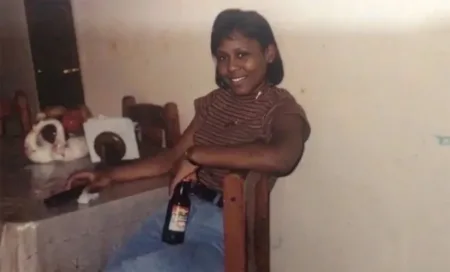
Bonao, Monsignor Nouel.- With deep regret, the death of Lenny Candelario, a young man who remained in the hospital of Bonao was confirmed after being diagnosed with dengue.
Despite the medical care received, it was not possible to reverse the clinical picture that he presented, a result of the severe complications that may arise from this viral disease transmitted by the Aedes aegypti mosquito.
The news has generated dismay in the local community, where Lenny was widely known and appreciated. His family, friends and relatives deeply regret his departure, expressing the pain of the sudden loss of a loved one who faced a difficult fight against a disease that continues to be a threat to public health in the country.
According to sources close to the medical center, Lenny Candelario's health status was considered sensitive from the time of the arrival due to the evolution of the virus.
Medical teams applied the protocols established for the management of dengue cases, including intensive hydration, vital sign control and constant clinical monitoring. However, his body did not respond favourably to the treatments administered.
Lenny's departure leaves a great gap among those who knew him, and also reflects the importance of prevention, mosquito breeding control and early attention to dengue symptoms, which may include high fever, muscle pain, severe headache, nausea and bleeding.
This case is in addition to reports of increased dengue cases in various provinces of the country, which has motivated the health authorities to strengthen community orientation campaigns and fumigation measures in the most affected areas.
In the midst of the pain, the community has come back to accompany Lenny Candelario's family, providing them with support and solidarity at this difficult time. The phrase “peace to your soul” resounds in social networks and in the environments where your absence is already feeling strong.
From various sectors, a call has been made to the population not to lower their guard to dengue, recalling that the elimination of breeding houses and the timely search for medical care can make a difference.