






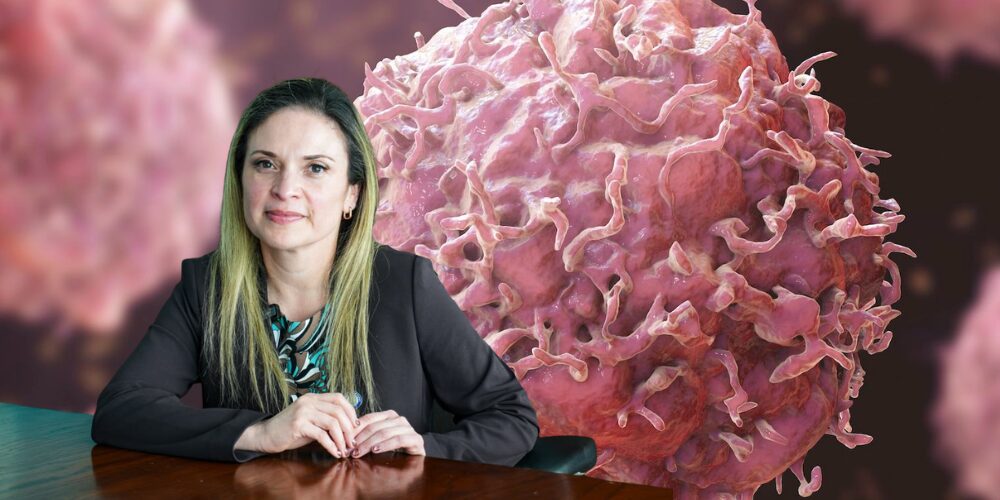
Santo Doming.- Dr. Idalid Ivy Franco, a radio oncology specialist at Mass General Brigham, explained that radiation therapy is one of the most effective and accurate treatments against cancer, thanks to technological advances that allow to attack tumors with more accuracy and less side effects.
Franco noted that this treatment uses high-energy X-rays to damage the DNA of cancer cells, preventing their growth and promoting their elimination, while healthy cells can recover.
You may be interested: General Mass explains differences between directed therapy and cancer immunotherapy
The specialist noted that radiation therapy does not cause pain during its application and is often used in lung, prostate, breast, gynaecological and brain tumors.
He indicated that new techniques make it possible to better focus radiation, reducing the impact on healthy tissues and minimizing adverse effects.
Difference between radiation therapy and chemotherapy
Franco explained that chemotherapy is a systemic treatment that circulates throughout the body, while radiation therapy acts localized, similar to surgery.
In that regard, he said that hair loss only occurs in the treated area, unlike chemotherapy, which can cause widespread loss.
More common side effects
Among the most common side effects the doctor highlights tiredness or mild fatigue, redness of the skin similar to a sunburn and more frequent need to go to the bathroom (depending on the area treated).
He clarified that these symptoms are usually manageable and that most patients maintain a good quality of life during treatment.
Impact on daily life
The doctor recommended that patients be active, hydrated and healthy, as this helps reduce tiredness. He noted that many can continue to work, although some choose to reduce hours or work from home in the last weeks of treatment.
He explained that fatigue occurs because radiation acts on a cell level, temporarily affecting the normal functioning of the body, but improves at the end of therapy.
Emotional and family support
Franco stressed that initial fear is common due to lack of knowledge of treatment. It therefore recommends that you talk to the doctor and the radioncologist to clarify doubts and make informed decisions.
He also highlighted the key role of the family and caregivers, who can accompany the patient to consultations, help with the information received and provide support during the process.
The specialist emphasized that radiation therapy has evolved significantly and allows many patients, even with advanced diagnoses, to live longer and better quality of life.
Professional career
Dr. Franco obtained her degree in medical at Harvard Medical School and a Master's degree in Public Health at Harvard T.H. Chan School of Public Health. He then completed his residence in radio-terapic oncology in the Harvard Radio-terapic Oncology Program.
Its clinical practice focuses on gynaecological cancers, with specialization in brachytherapy. His research addresses oncological results in vulnerable populations, the impact of social determinants of health on racial and ethnic disparities, and the cost-effectiveness of health care.
He is currently an assistant professor of Radioterapic Oncology at Harvard Medical School and director of the Department of Radioterapic Oncology at Brigham and Women's Hospital, institutions linked to Mass General Brigham.