









Dominican Republic continues to be exposed to a high risk of a major earthquake, due to its location on the limit of interaction between the Caribbean and the North American plate, according to warnings from seismic and structural engineering specialists during a panel on seismic vulnerability and security.
During the meeting, the seismic engineer Claudia Germoso explained that the island of La Española shares geological characteristics with other countries of the region, such as Venezuela, as it is found in one of the areas of most tectonic activity in the Caribbean. He noted that the country has multiple active failures with the capacity to generate large-scale seismic events.
Beyond generating alarm for this, experts insisted that the objective is to strengthen the culture of prevention, improve construction standards and prepare the population for a natural phenomenon they consider inevitable.
Germoso explained that the Dominican territory is located on the edge of two important tectonic plates: the Caribbean plate, to the south, and the North American plate, to the north. This location makes the country an area of high seismic threat, as the constant movement between the two plates generates an accumulation of energy that can eventually be released in the form of earthquakes.
At the same time, the specialist indicated that some 18 active failures are currently known in the national territory, although research continues to identify other geological structures that may represent additional risks.
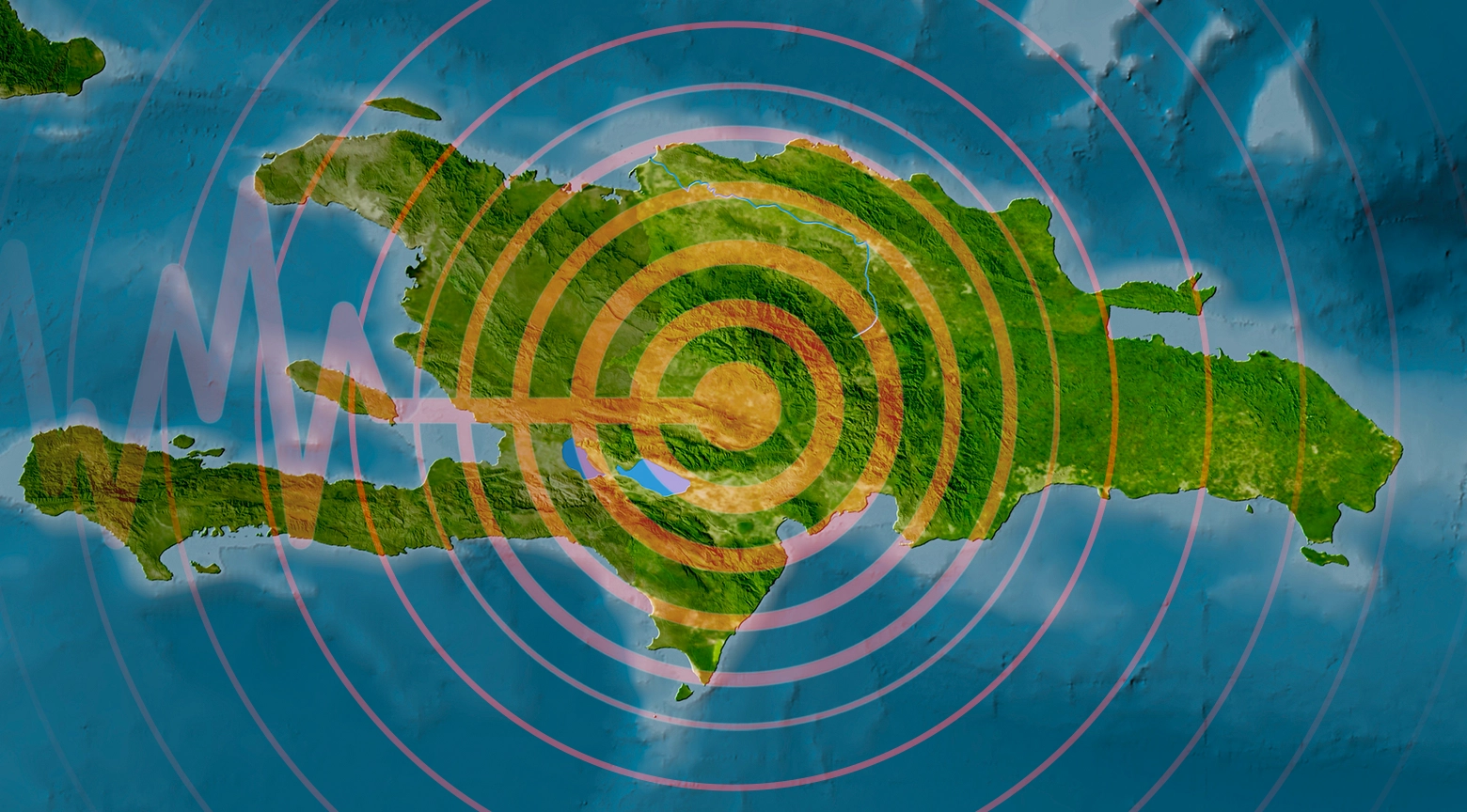
Although there are multiple geological failures, Germoso noted that two concentrate the greatest potential to generate large-scale earthquakes in the Dominican Republic. This is the Northern failure, which runs through the northern part of the country from Montecristi to Samaná and the Enriquillo failure, located south and shared with Haiti, with influence over part of the Dominican territory.
Además, mencionó otras estructuras tectónicas relevantes como: La Trinchera de los Muertos, situada al sur, cuya actividad podría afectar directamente al Gran Santo Domingo. Estas formaciones geológicas son objeto de monitoreo permanente debido a su capacidad para producir eventos sísmicos de gran intensidad. Asimismo, uno de los aspectos que más llamó la atención durante el panel fue la advertencia sobre el comportamiento histórico de la falla Septentrional.
De acuerdo con Germoso, el período de retorno estimado para la ocurrencia de un gran terremoto ya fue excedido. La especialista recordó que el próximo 4 de agosto se cumplirán 80 años del terremoto de 1946, mientras que el ciclo promedio estimado para un evento de gran magnitud era de aproximadamente 50 años. «Estamos a la espera de un evento sísmico significativo», afirmó, al explicar que el tiempo transcurrido supera por casi tres décadas el intervalo históricamente considerado para este tipo de fenómenos.
However, he emphasized that science cannot predict the exact date of an earthquake, so these estimates do not mean that a earthquake will occur immediately, but that the country remains within a scenario of high geological probability.
Similarly, the engineer stressed that the country has made progress in strengthening its monitoring capacity through the installation of new specialized teams.
The actions that he mentioned are: Installation of seismometers and accelerometers
Expansion of the monitoring network, especially in the northern region. Seismic microzoning studies in Santo Domingo, Santo Domingo Oeste, Santiago and Barahona. These studies provide a better understanding of the characteristics of the soil and provide a basis for updating the sismorresistant design standards applied in new constructions.
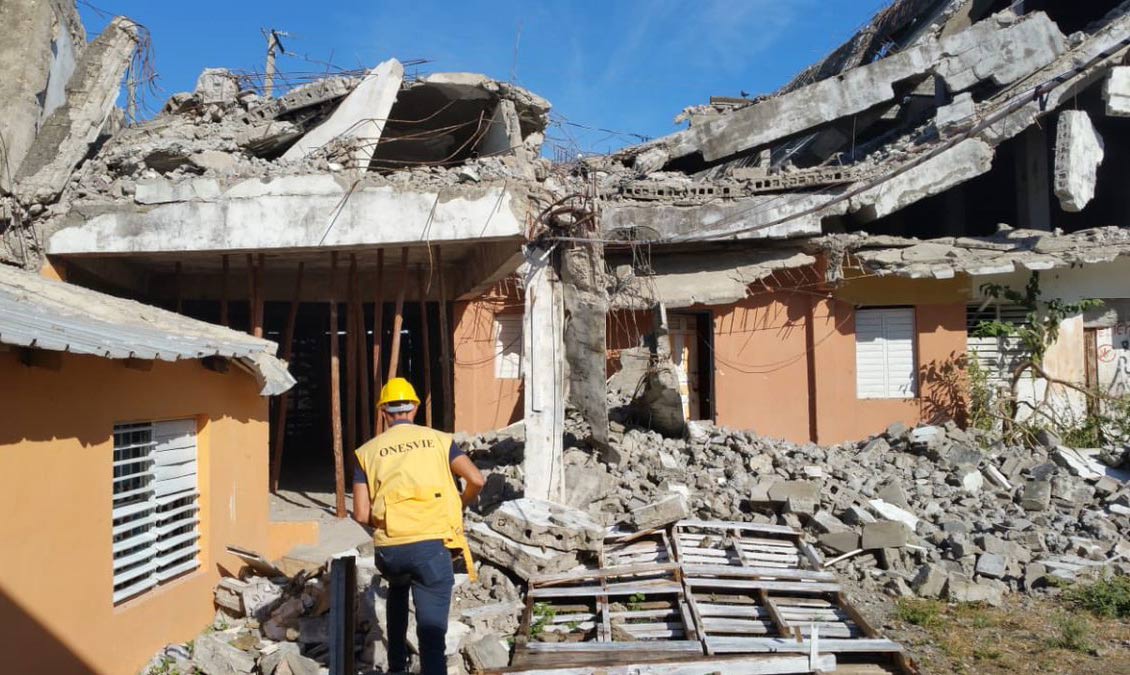
Also, during the panel, the structural engineer Luis Adolfo Abbott Zorrilla, who said that the main causes of human loss during an earthquake are related to the vulnerability of the buildings. «Earthquakes don't kill. What kills are structures,» the specialist said.
Abbott explained that the behavior of a construction during a earthquake depends on factors such as the quality of structural design, the compliance with construction codes, the conditions of the soil where the construction is raised and the proper supervision during the construction process.
Moreover, in his view, strengthening engineering standards and ensuring their compliance was one of the most effective measures to reduce the impact of future earthquakes.
Watch video:





1 Comment
It's a time bomb, we're extremely exposed to the Caribbean and American plates, not to mention we have several flaws on the island all lethal