




One afternoon last summer, a Waymo self-contained vehicle entered a parking lot in San Mateo County, California, and remained there until the police arrived. Local police received a 911 call from Waymo employees, people who were watching the car passengers through cameras installed inside the vehicle. According to the police report, it seemed that two teenagers were shooting a black gun out of the window, playing with it and drinking between shot and shot.
The story has a happy ending: the weapon fired Orbeez balls full of water, not bullets. But the incident drew attention to Waymo's surveillance system. The cars are equipped with automated technology capable of detecting the presence of a firearm inside, according to the company.
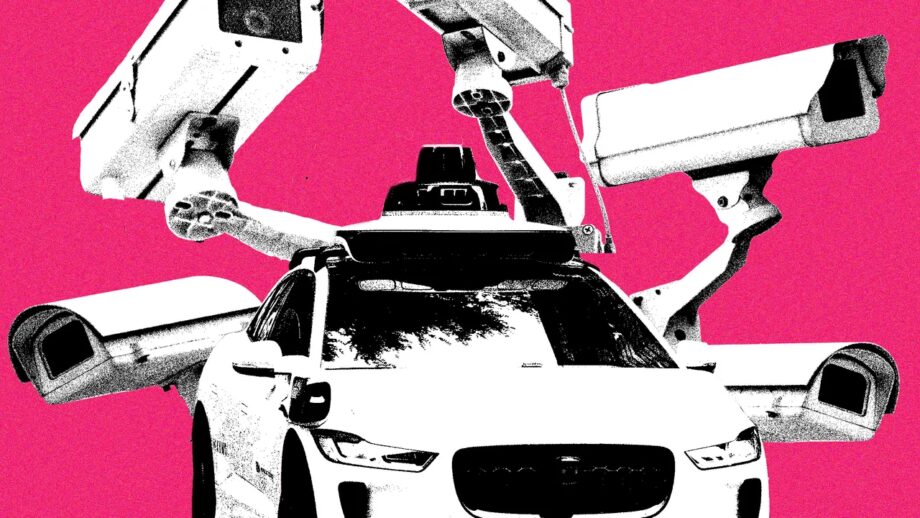
The exterior of the autonomous vehicles is full of cameras, which help them to "see" the world around them. Most also use other sensors, such as radars and lids. The less valued are the cameras of the interior of the vehicles, which, according to the companies, are essential to ensure the safety of the passengers and to enforce their rules.
Earlier this year, Waymo stated that he used the cameras for both purposes, after several passengers in California, many of them over 20 years of age, reported that company employees were suddenly intervening through the intercom during the journey to check that they were old enough to travel alone. A 35-year-old man told WIRED that he suspected that his backpack had raised doubts about his age.
Robotaxis privacy policies can be very broad
The images taken inside vehicles can be used for relatively harmless purposes, such as checking the cleaning between travel or detecting lost objects, but also for improving products and services. Such general terms leave room for many other uses.
Experts point out that there are few clear rules in the US that regulate this type of surveillance, especially because users often have to accept extensive service terms before using transport applications. In practice, this means relying on companies to manage their information responsibly.
"Legislators are leaving us practically unprotected in terms of consumer privacy and what companies can do with information once they have collected it," says Matthew Gariglia, a senior policy analyst at the Electronic Frontier Foundation, where he works on surveillance and public order issues.
Your advice? The fact that you're alone in the car doesn't mean you're really alone. You must behave like there's a nervous person in the front seat.
In general, the robotaxis companies, including Waymo, Zoox and Tesla, claim that human personnel only check the inner cameras when necessary. All indicate that personal data, including recordings, can be sent to law enforcement or regulatory bodies. A Waymo assistance page notes that government agencies that request data "are told to follow the legal processes in place when making such a request.".
But that doesn't mean that the inner cameras are not on and running. Waymo's spokesman, Julia Ilina, explains that the company uses automated technology to help our teams identify possible violations. A 2025 patent held by Waymo describes a system in which vehicle internal cameras carry out "pre-determined check lists" in an automated way before, during and after the routes. Ilina has not specified if that system is in use.