






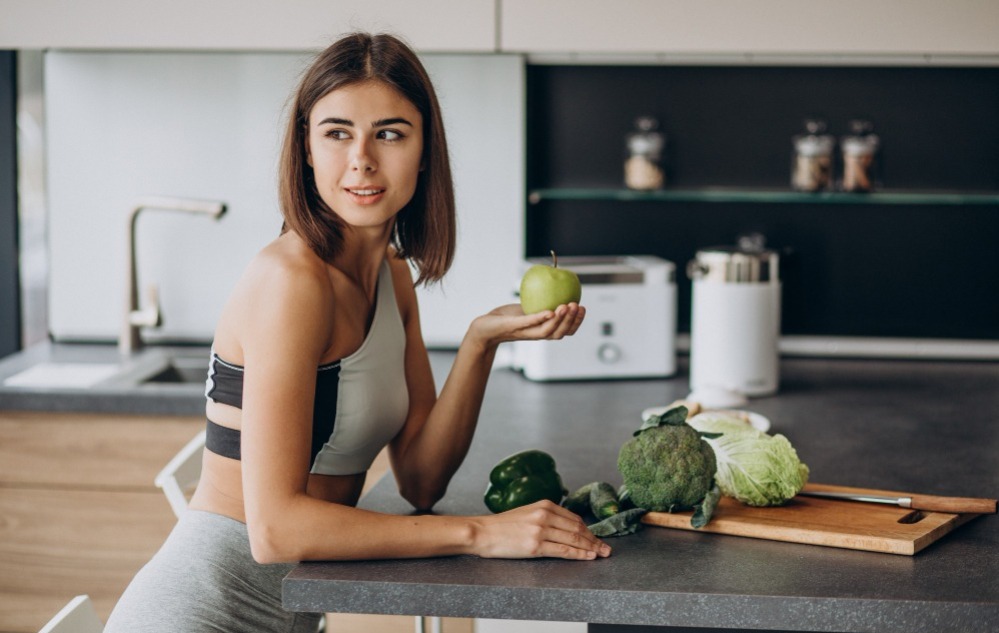
The feeding of a sportsman who follows a vegetarian diet or vegan, especially if he trains intensively, requires precise strategic planning to ensure the development and conservation of muscle mass. A food plan structured by a nutritionist is essential.
It is important to note that the challenge is to ensure the consumption of high-quality proteins and essential amino acids, crucial for physical performance.
Amelia de la Peña, a nutritionist of Gold's Gym, is clear: “You can train very well, but if you don't give your body the right amount of protein, you won't protect the muscle tone or increase muscle.”.
You can also read: Cineasta Agustín Cortés Robles presents work on a global call to La Paz
Challenge of essential amino acids
Muscle mass needs, as a priority, essential amino acids, those building blocks that the body cannot generate by itself and which come mainly from animal sources.
Diets that restrict meat, fish and viscers face a challenge, as protein of plant origin often provides mostly non-essential amino acids.
The lack of this complete profile forces athletes to be methodical. The strategy should focus on the quality of the nutrient. De la Peña emphasizes: “I calculate proteins, not food. The important thing is that the body receives the nutrient through a supplement.”.
Supplementation: indispensable pillar
In the first instance, it made it clear that we need to know the nutritional differences
between vegans and vegetarians. For those who carry a strict vegetarian diet (vegans), supplementation becomes critical. While vegetarians access complete proteins through dairy and eggs, vegans should resort to supplements such as protein meringades. These smoothies offer a higher concentration (between 22 and 26 grams per portion) which compensates for the lower protein density of vegetable foods.
Legiminous products must be combined with cereals, quinoa, tofu, nuts (moderately), chia seeds and vegan powder protein.
Critical microbial: iron and B12
Performance is not only dependent on protein. The specialist warns that the low availability of certain micronutrients compromises general health and performance:
Vitamin B12: It's the main concern. “If the B12 is not replaced, we are doing nothing. The B12 is critical,” says De la Peña, as it is practically absent from plant sources and is vital for iron absorption.
Iron: The iron of plant origin (non-hemo) requires to be accompanied with Vitamin C and folic acid to optimize its absorption.
Omega-3: Key for physical performance, must be obtained from seeds such as chia, linseed and nuts, compensating for their lack in fatty fish.
Pre and post-training planning
An effective strategy must surround exercise with adequate nutrition:
· Before training: It is recommended to combine low glycaemic carbohydrates with proteins, ensuring sustained energy for the session.
· After training: High glycaemic carbohydrates should be prioritized to quickly replenish exhausted energy reserves. The protein maintains its crucial role for muscle repair. “The protein is the same before and after; what changes is the type of carbohydrate,” explains the nutritionist.
Since Gold's Gym it is understood that training with a plant-based diet is fully viable for high performance, provided that essential proteins and micronutrients are provided through professional advice and strategic supplementation.
For more information on membres, routines, modalities and training options, healthy tips, among others, you can write to the Whatsapp Business 0412.313.2544, follow them in your X and Instagram accounts as @ goldsgymve and as Gold's Gym Venezuela on Facebook, as well as visit the website www.goldsgym.com.ve