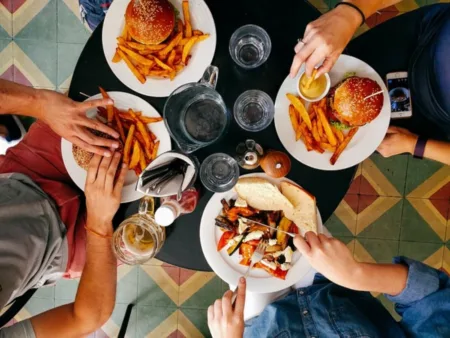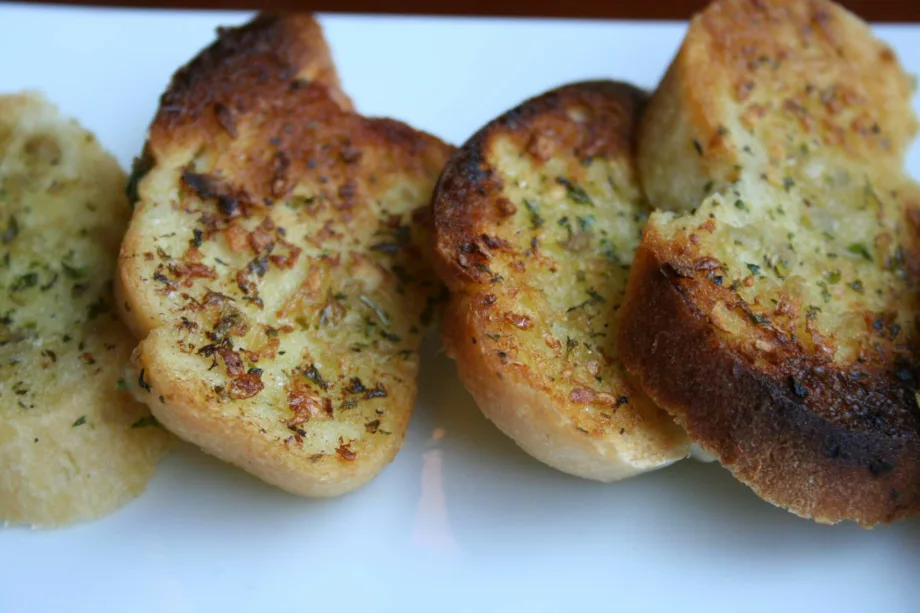
I'm sure it's happened to you once: you leave a slice of bread in the toaster and, for a while, it's getting a little darker than usual. Or they serve you a dish of fries with those crispy, almost black edges that get so much attention.
In our homes, when we cook almost all of us are attracted to that crispy and toasted touch, because smell and taste are activated immediately. However, behind that appetizing dark brown color is a hidden unexpected guest that is better to avoid in the day to day: acrylamide. This chemical is not an additive that adds industry or the result of using pesticides; it is something that we create ourselves in the kitchen, in a totally natural way, when we are out of hand with fire or oven.
To understand how it appears, imagine that a small explosion of taste, called the reaction of Maillard, occurs inside the food. This process is responsible for the bread, the biscuit... that smells so good when baking and the potatoes become crunchy. The problem begins when we cook foods rich in sugars and starch at very high temperatures, above 120 degrees, by dry methods such as frying, toasting or roasting.
The rule for identifying it at home is very simple and very visual: the darker, burned or shrouded a food remains, the more acrylamide will accumulate on its surface.
Unfortunately, the foods that most of the ballots have to generate this substance are some of the favorites of any pantry. The French fries (both those we make in the frying pan and those in the bag), the toast, the cookies, the breakfast cereals, all the empanados and fried (croquettes, the empanados fillets...) and even the coffee itself are the main suspects.
The reason why doctors and scientists ask us to take care of ourselves is that once we eat that burned area, our body transforms acrylamide into another substance that can damage our DNA, increasing the risk of serious diseases such as long-term cancer.
The good news is that to protect us, we don't need to give food that is a daily part of our life, Health sums it up with a very easy motto to remember: "Golden, yes; burned, no.".
At home remember: when you turn on the pan or oven, watch the color of the food and turn off or lower the temperature of the fryer, not more than 150ºC, the fire as soon as you see a golden yellow tone. With these little gestures, you will continue to enjoy your usual dishes, taking care of your health and your own.
No croquettes, fillets, roast, biscuits, biscuits, potatoes... fries or cooking.
For the food industry, where we buy in our food: supermarket, market, large areas... the products made and packaged should all be with a soft gold.
There are already many points of sale, where you are sold processed food, it will have to be noted that in those fried and baked that the dark or almost black does not appear.
The reality is that there is already a law on acrylamide, but soon there will be a much stricter one, currently rules Regulation (EU) 2017 / 2158. This law requires the food industries, restaurants and fast food chains to implement mitigation measures (such as temperature control or washing).
Unfortunately, however, it only sets "reference values," but does not set mandatory ceilings. The European Commission has been collecting exposure data and inspections for years and is preparing a comprehensive reform of the legislation.
The great news is that binding and mandatory ceilings for certain categories of food (such as fries, cookies, breakfast cereals and coffee) will be introduced for the first time. To overcome these new limits will mean to incur a legal infringement, which will lead to economic sanctions and the immediate withdrawal of the batches concerned from the market. In addition, it is planned to reduce the indicators allowed in children's foods and to add new products to the surveillance, such as vegetable or cereal chips.
So as soon as the new legislation to control and minimize acrylamide comes into force, we can't buy: very roasted bread, very golden fries almost brown, toast cupcakes... @ mundial